
Cosmetic Dentistry in Millersville, MD
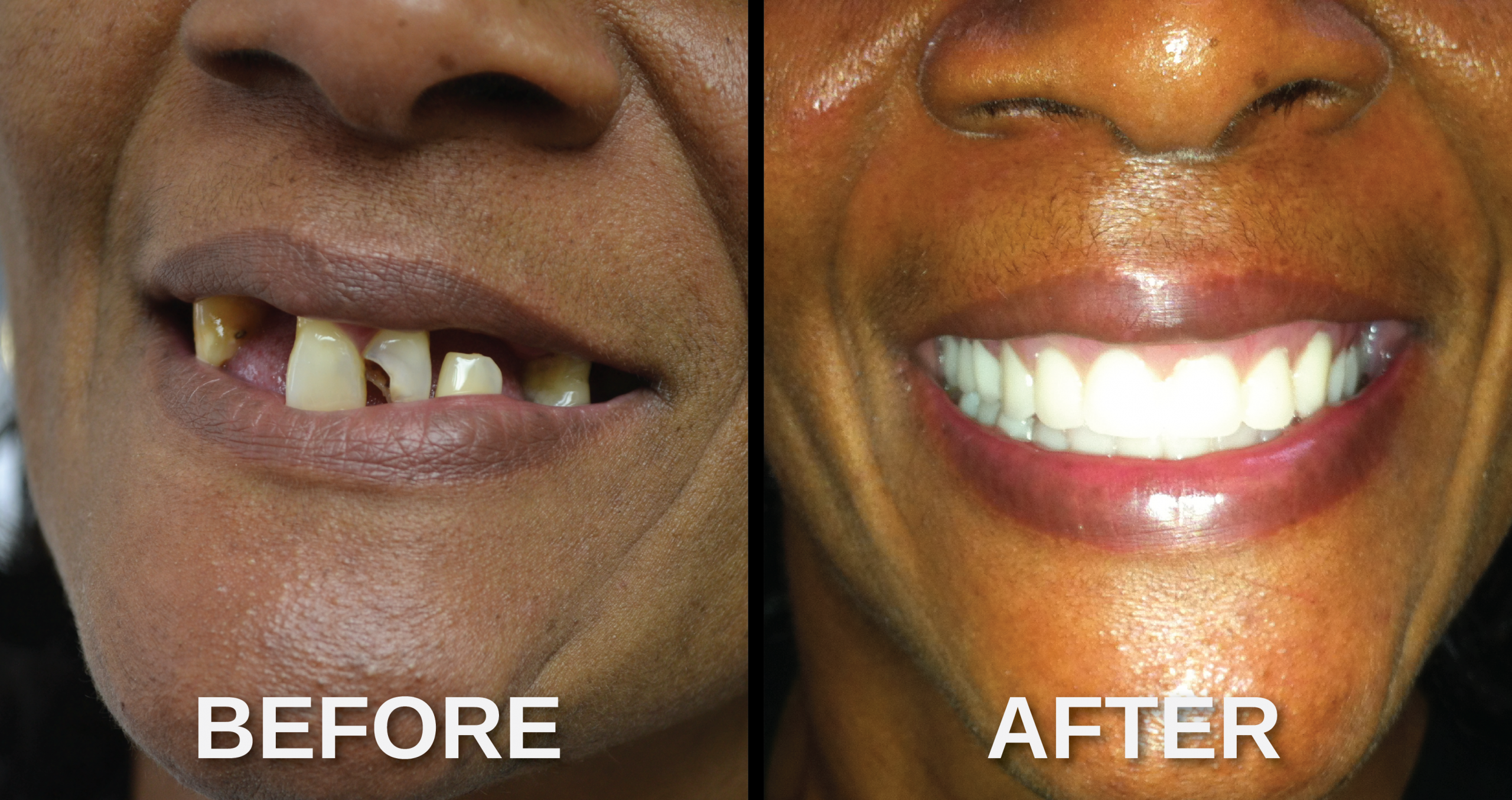
When Sarah from Crofton looked in the mirror last spring, she couldn’t remember the last time she smiled with her teeth showing. Years of coffee and just life had left her embarassed about her smile. She wasn’t alone – we see folks from Odenton, Pasadena, and all over Anne Arundel County who feel the same way about there teeth.
Here’s what most people don’t realize about cosmetic dentistry in Millersville. It’s not just about looking good for pictures. It’s about feeling confident when you talk to your boss. It’s about not covering your mouth when you laugh at your kids soccer game in Severna Park. It’s about finally booking that family photo session you’ve been putting off for three years.

Veneers
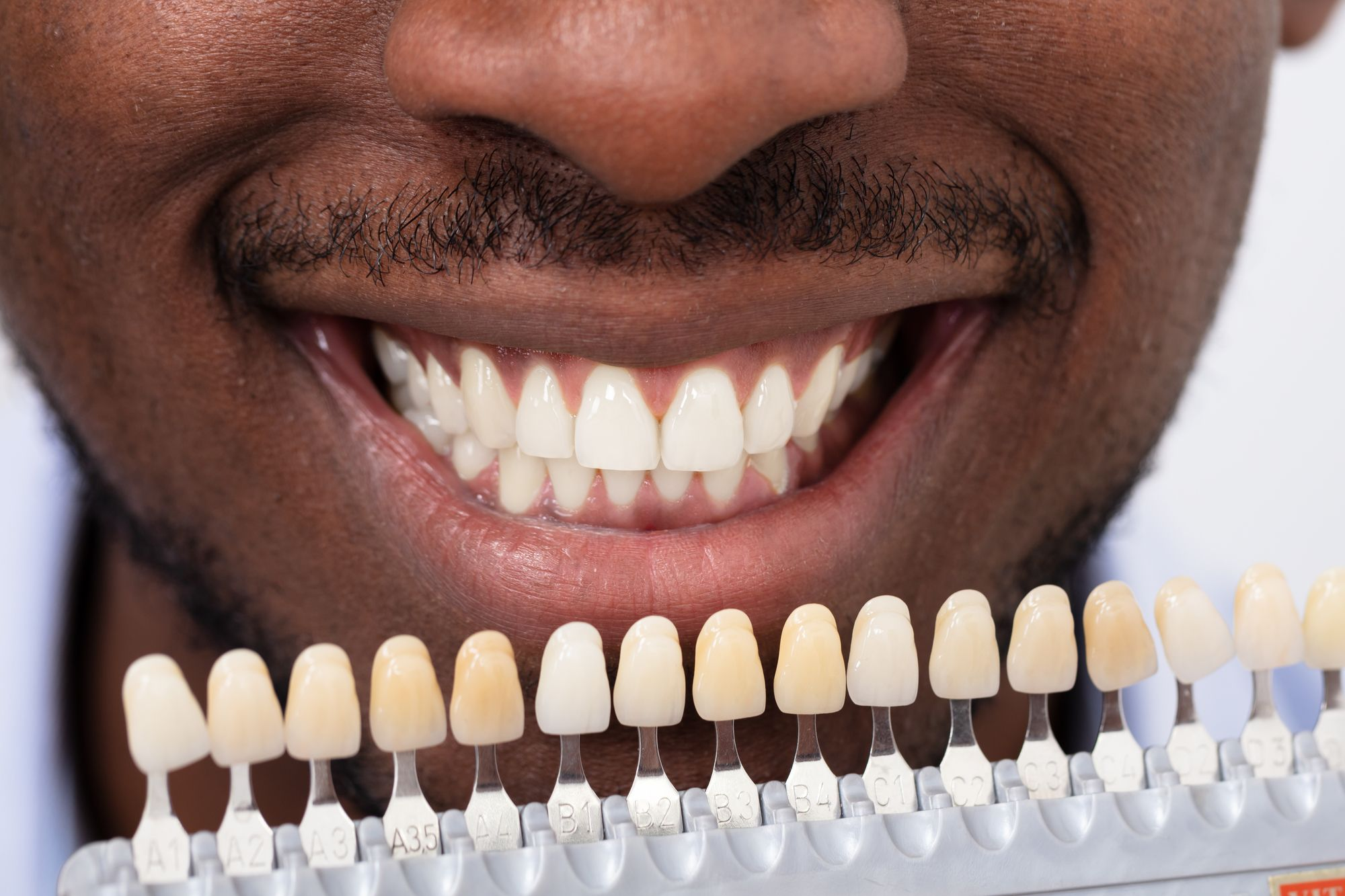
Lisa from Annapolis called us last summer asking if veneers were “just for celebrities.” She’d been hiding a chipped front tooth for almost five years. Turns out, half our veneer patients are regular folks who just want to fix something thats been bothering them forever.
veneers are thin shells that go over your existing teeth. Think of them like a false nail, but for your tooth. We use porcelain because it looks natural and lasts a long time – usually 10-15 years if you take care of them right. According to the American Academy of Cosmetic Dentistry, porcelain veneers have become one of the most popular cosmetic dental treatments because they can address multiple aesthetic concerns at once.
The process takes about two visits. First visit, we prep your teeth and take impressions. You’ll wear temporary veneers while the lab makes your permanent ones. Second visit, we bond them on and you walk out with a completely different smile. Most of our Gambrills patients are shocked at how quick the whole thing is.
Veneer Treatment Timeline
| Step | Timeline | What Happens |
|---|---|---|
| Consultation | Day 1 | Photos, discussion, treatment planning |
| Tooth Preparation | Week 1-2 | Minimal enamel removal, impressions, temporary veneers |
| Lab Fabrication | 2-3 weeks | Custom porcelain veneers created |
| Final Placement | Week 3-4 | Temporary removal, bonding permanent veneers |
| Follow-up | 1-2 weeks later | Check bite, make adjustments if needed |
People ask if it hurts. The prep work involves removing a tiny bit of enamel – we’re talking less than a millimeter. Most people don’t need numbing but we offer it if your nervous. The actual bonding doesn’t hurt at all.
Cost depends on how many teeth your doing. One tooth is different than a full smile makeover with eight or ten veneers. We do payment plans because honestly, most people can’t drop several thousand dollars all at once. And insurance usually doesn’t cover cosmetic work unless theres a medical reason.
What kills veneers? Biting ice, opening packages with your teeth, grinding at night without a guard. Also really acidic foods can wear down the bonding over time. The Journal of Prosthetic Dentistry published research showing that patients who wear nightguards extend veneer lifespan by 3-5 years on average. But if you brush normal and don’t use your teeth as tools, they last a really long time.
Dental Bonding
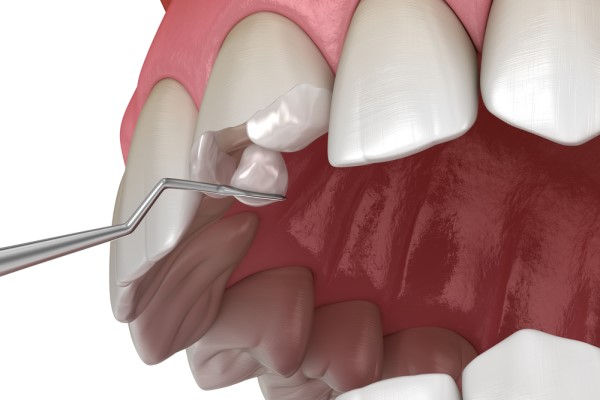
Mike from Odenton chipped his tooth on a popcorn kernel during a movie. He thought he needed a whole veneer. Turns out bonding fixed it in one visit for way less money.
Bonding is when we use tooth-colored resin to fix chips, gaps, or discoloration. It’s like putty that we shape and then harden with a special light. The whole thing takes maybe an hour per tooth.
Here’s why people love bonding – it’s fast, it’s cheaper than veneers, and we don’t have to remove hardly any tooth structure. We rough up the surface a tiny bit so the resin sticks, apply it, shape it to look natural, then harden it with the UV light. Done.
Bonding vs. Veneers Comparison
| Factor | Dental Bonding | Porcelain Veneers |
|---|---|---|
| Cost per tooth | $300-$600 | $1,000-$2,500 |
| Treatment time | 1 visit (30-60 min) | 2-3 visits (2-4 weeks) |
| Lifespan | 5-7 years | 10-15 years |
| Stain resistance | Moderate | High |
| Tooth removal | Minimal to none | Some enamel removal required |
| Best for | Small chips, gaps, minor fixes | Major cosmetic changes, full smile makeovers |
The downside? Bonding doesn’t last as long as veneers. Maybe 5-7 years instead of 10-15. And it can stain easier, especially if you drink alot of coffee or red wine. Our Crownsville patients who smoke find that bonding picks up staining faster too.
But for small fixes, bonding is perfect. Got a gap between your front teeth? bonding. Chipped corner? bonding. Tooth looks shorter than the others? bonding can build it up. We do alot of this for parents who want to fix there kids teeth before school pictures.
One thing – bonding isn’t as strong as your natural tooth enamel. According to the American Dental Association, composite resin bonding has about 70-80% the strength of natural enamel. So if you bite your nails or chew on pens, it might not hold up great. But for normal use, it works really good.
Implant Crowns
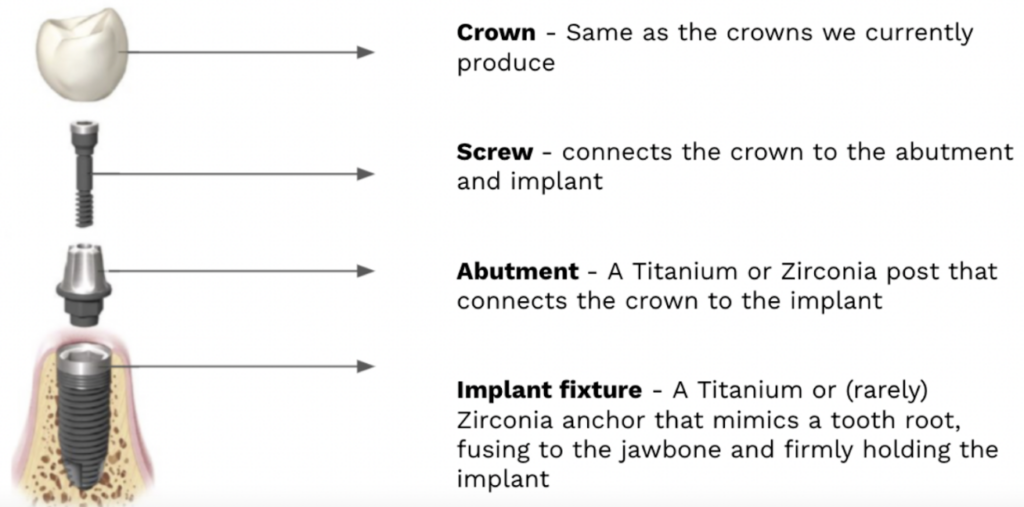
Jenny from Pasadena lost a back tooth in a car accident three years ago. She’d been avoiding the dentist because she thought the only option was one of those partial dentures her grandma wore. When she found out about implant crowns, she wished she’d come in sooner.
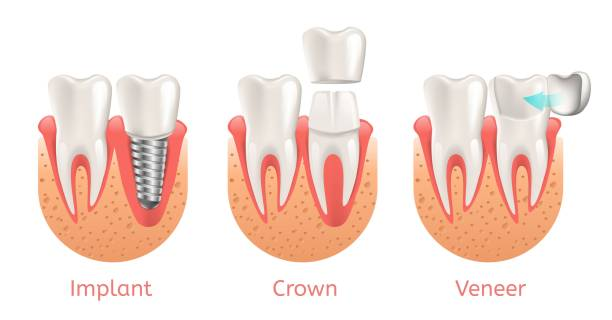
An implant crown is the tooth-looking part that goes on top of a dental implant. The implant itself is the metal post that goes in your jaw – that’s like the root. The crown is what you actually see and use for chewing.
We work with oral surgeons for the implant placement part. They put the post in, you heal for a few months while the bone grows around it, then we put the crown on top. The crown part is what makes it look and feel like a real tooth.
Material matters here. We usually use porcelain or zirconia for implant crowns because they look natural and hold up to chewing. Metal crowns are stronger but who wants a silver tooth showing when they smile? Our Glen Burnie patients mostly go with tooth-colored options.
Cost is real – implant crowns aren’t cheap. You’re paying for the crown itself plus all the custom work to make it fit your implant perfectly. But they last 15-20 years usually, which is longer than a regular crown on a natural tooth. Research from the International Journal of Oral & Maxillofacial Implants shows implant crowns have a 95% success rate at 10 years when properly maintained.
People worry about implant crowns breaking. They can, but it’s not common if you don’t do crazy stuff like chew ice or bite bottle caps. The crown can wear down over years just like natural teeth, and sometimes the cement loosens and needs redoing. But overall there super durable.
Smile Makeover Consultations
Tom from Severna Park came in last fall saying his teeth were “a mess” and he didn’t even know where to start. That’s exactly what smile makeover consultations are for – figuring out what actually needs fixing and what order to do it in.
Most people think there teeth are worse than they actually are. Or they think they need everything done when really two or three things would make a huge difference. The consultation helps sort that out.
We take photos, x-rays, and just talk about what bothers you most. Do you hate the color? The shape? Missing teeth? Gaps? Chips? Everyone’s different. Some Millersville patients come in thinking they need veneers when really professional whitening would do the job. Others need more work than they realized.
Here’s what makes a good consultation – we don’t push you into anything. We show you options at different price points. Want the Cadillac version? Here’s what that looks like. Need to do it in phases over two years? Here’s how we’d break it up. Got a wedding in six months? Here’s what we can realistically get done.
The consultation itself is free at most places, including ours. You’re not committing to anything. We’re just making a plan. Some folks do it all at once, some people do one thing a year as they can afford it. Both work fine.
Dental Bridges
Maria from Annapolis was missing two teeth in a row. Implants would’ve been like $8,000. She went with a bridge for less than half that.
A bridge is basically fake teeth that are held in place by crowns on the teeth next to the gap. If you’re missing one tooth, we crown the teeth on either side and connect them with a fake tooth in the middle. Missing two teeth? Same idea, just a longer bridge.
The teeth on either side – we call them abutment teeth – have to be strong enough to support the bridge. If they’re weak or damaged, a bridge might not work. That’s why we do a thorough exam first. Sometimes those teeth need root canals or buildups before we can use them as anchors.
Process takes a few weeks usually. First visit, we prep the abutment teeth and take impressions. You get a temporary bridge while the lab makes your permanent one. Second visit, we cement the permanent bridge and you’re done.
bridges look natural if done right. We match the color to your other teeth. The fake teeth are porcelain usually, same as the crowns. People from Gambrills who get bridges say there friends can’t tell which teeth are real.
Downside is you have to modify healthy teeth to hold the bridge. Some people don’t like that idea. Also, cleaning under a bridge takes special flossers – you can’t just use regular floss. And bridges don’t last forever. The Academy of General Dentistry reports that traditional bridges typically last 10-15 years before they need replacing.
But if you can’t afford implants or don’t want surgery, bridges are a solid option. They’ve been around forever because they work.
Dental Crowns
crowns are probably our most common cosmetic procedure. Dave from Odenton had an old silver filling that cracked. Rachel from Pasadena ground her teeth down from stress. Kevin from Crownsville had a root canal that needed protecting. All of them needed crowns.
A crown covers the whole visible part of your tooth. It’s like a cap that goes over whats left of your natural tooth. We use them when a tooth is too damaged for a filling but not bad enough to pull.
Material options are porcelain, ceramic, metal, or a combo. Front teeth usually get all-porcelain because it looks the most natural. Back teeth sometimes get porcelain-fused-to-metal because its stronger for chewing. Some people get all-zirconia crowns – super strong and looks good but costs more.
The process is similar to bridges. We shave down your tooth to make room for the crown, take impressions, put on a temporary, then cement the permanent crown at the next visit. Whole thing takes two or three weeks from start to finish.
Temporary crowns are the worst part honestly. They’re made of plastic or resin and there not very strong. We tell everyone don’t chew gum, don’t eat sticky stuff, be careful with hard foods. Still, probably one out of ten temporaries breaks or comes off before the permanent is ready. Just come in and we’ll recement it.
Permanent crowns are way more durable. With good care they last 15-20 years easy. Bad care means grinding without a nightguard, using your teeth to open things, not brushing good. That stuff wears crowns down quick.
One surprise people have – crowned teeth can still get cavities. The crown covers the top but where it meets your gum, that’s still your natural tooth. If you don’t floss, you can get decay right there and the whole crown has to be redone. According to research published in the Journal of the American Dental Association, secondary decay around crown margins is one of the top reasons crowns fail before their expected lifespan. We see that alot with Millersville patients who think crowns mean there bulletproof.
Common Questions About Cosmetic Dentistry Costs
Nobody wants to talk about money but its the first thing everyone thinks about. “How much is this going to cost?” Fair question.
Average Cosmetic Dentistry Costs in Millersville
| Procedure | Price Range | Duration | Insurance Coverage |
|---|---|---|---|
| Single Veneer | $1,000 – $2,500 | 10-15 years | Usually none |
| Dental Bonding (per tooth) | $300 – $600 | 5-7 years | Rarely |
| Crown (per tooth) | $1,000 – $1,500 | 15-20 years | 50% if medically necessary |
| Implant Crown | $1,500 – $3,000 | 15-20 years | Varies by plan |
| 3-Unit Bridge | $3,000 – $5,000 | 10-15 years | 50% if replacing missing tooth |
| Full Smile Makeover (8-10 veneers) | $8,000 – $25,000 | 10-15 years | Usually none |
| Professional Whitening | $300 – $800 | 1-3 years | None |
Payment plans make it doable. We work with financing companies that do monthly payments. Some have zero interest if you pay it off in a certain timeframe. Others charge interest but the payments are low enough that people can manage it.
Insurance rarely covers cosmetic procedures. They might cover part of a crown if the tooth is broken or had a root canal, but veneers and bonding? Usually not. We still submit everything to insurance just in case there’s any coverage.
Some Annapolis patients use health savings accounts or flex spending for cosmetic work. If your employer offers that, its worth checking what dental expenses qualify. The IRS guidelines on HSA eligible expenses include most dental procedures that treat or prevent disease, which can sometimes include cosmetic work if it improves function.
Cost also depends on how much prep work you need. If you’ve got gum disease, that needs treating first. Cavities have to be filled. Sometimes people need deep cleanings before cosmetic work. All that adds to the total cost but its necessary for good results.
The cheapest option isn’t always the best option. We’ve had patients come in with veneer work done at discount places that looked terrible or didn’t fit right. Fixing bad cosmetic work costs more than doing it right the first time.
What are the drawbacks of getting veneers?
The biggest downside is you can’t undo them. We have to remove some enamel to make room for the veneer, so your tooth is permanently altered. If a veneer breaks or falls off, you can’t just leave the tooth as is – it needs another veneer or a crown. veneers also don’t last forever. After 10-15 years you’ll probably need replacements. They can chip or crack if you bite hard stuff or grind your teeth. And they’re expensive – not everyone can afford them. Some people don’t like that veneers can look too perfect or fake if not done right. Also, your natural teeth can still get cavities under or around veneers. The tooth preparation is irreversible, which is why some patients opt for no-prep veneers when possible.
What's the lifespan of porcelain veneers?
Full veneers usually last 10-15 years with good care. Some people get 20 years out of them. It depends on how you treat your teeth. If you grind at night without a guard, veneers wear down faster. Biting hard foods, using teeth as tools, or not maintaining good hygiene all shorten veneer life. The bonding can weaken over time too. Most people need at least one veneer replaced before the others because of a chip or crack. When they do fail, its usually at the 10-15 year mark. You can’t just repair veneers like you can fillings – once they’re done, you need a whole new veneer. Clinical research shows that porcelain veneers have a survival rate of approximately 93% at 10 years and 83% at 20 years.
Which costs less - veneers or dental implants?
veneers are cheaper per tooth usually. One veneer is $1,000-$2,500. One implant with crown is $3,000-$6,000 total. But you’re comparing different things. veneers go over existing teeth. Implants replace missing teeth. If you have a tooth that needs extracting, an implant might be better long-term even though it costs more upfront. veneers don’t work if there’s no tooth there. For cosmetic fixes on healthy teeth, veneers are definitely cheaper. For replacing missing or hopeless teeth, implants cost more but last longer and don’t require altering other teeth like bridges do. The total cost-per-year of use often favors implants due to their longer lifespan.
What needs to be done when veneers reach their lifespan?
After 10-15 years, veneers usually need replacing. The porcelain might be worn down, chipped, or the color doesn’t match your other teeth anymore. Gums can recede over time, exposing the edge where the veneer meets your tooth. The cement can weaken and veneers can loosen. When you replace them, the process is similar to getting new ones – we remove the old veneers, prep the teeth again, take new impressions, and bond new veneers. Your teeth underneath are still altered from the first time, so you’ll always need some kind of restoration. Most people just get new veneers, though crowns are an option if the teeth have weakened. Replacement veneers typically cost the same as the originals.
Which insurance companies offer the best implant coverage?
Most regular dental insurance doesn’t cover implants great, but some plans are better than others. Delta Dental and Cigna have some plans with implant coverage, usually 50% after you hit your deductible. The catch is most dental insurance has an annual maximum around $1,500-$2,000, which doesn’t go far when implants cost $3,000-$6,000. Some people get supplemental dental insurance just for major work like implants. Discount dental plans aren’t insurance but they negotiate lower rates with dentists. If you need implants, check if your employer offers different dental plan options during open enrollment and pick the one with the best major restorative coverage. PPO plans typically offer more flexibility for expensive procedures than HMO plans.
What options exist for people who need implants but lack funds?
Dental schools do implants at reduced cost – students do the work under supervision. It takes longer but saves alot of money. Some dentists offer in-house payment plans with no interest. Companies like CareCredit finance dental work – you make monthly payments instead of paying all at once. If you’re low income, community health centers sometimes do implants on a sliding scale based on income. Some nonprofits help with dental costs for people who qualify. Another option is dental tourism – going to Mexico or other countries where implants cost less. That’s risky though. Lastly, some people do one implant at a time over several years as they can afford it instead of doing them all at once. Organizations like Dental Lifeline Network provide free dental care to eligible individuals.
What health conditions prevent you from getting implants?
Uncontrolled diabetes makes healing hard and raises infection risk. Heavy smoking slows bone healing around the implant. Not enough jawbone to support the implant – though sometimes bone grafts can fix this. Active gum disease needs treating first. Some medications like bisphosphonates for osteoporosis can cause problems with implant surgery. Radiation therapy to the head or neck affects bone healing. Age isn’t usually a problem, but your jawbone needs to be done growing, so implants aren’t great for young teenagers. Grinding your teeth doesn’t disqualify you but you’ll need a nightguard. Heavy drinking and poor oral hygiene make failure more likely but aren’t absolute disqualifiers if you commit to better habits. According to clinical guidelines, patients with HbA1c levels above 8% should stabilize their diabetes before implant surgery.
Can AARP members get financial help with dental implants?
AARP doesn’t pay for dental work themselves, but they offer dental insurance plans through Delta Dental that might cover part of implants. Coverage depends on which plan you choose. Most AARP Delta Dental plans cover 50% of implants after a waiting period, but remember there’s still an annual maximum. AARP also has discount dental programs where you pay a yearly fee and get reduced rates at participating dentists. That’s not insurance – you still pay the dentist, just less than full price. Neither option makes implants cheap, but they help. Some AARP members use the insurance to cover extractions and bone grafts, then pay out of pocket for the implant itself. The AARP Dental Insurance Plan administered by Delta Dental typically has a 12-month waiting period for major procedures like implants.
Ready to Transform Your Smile?
Start with a free consultation. We’ll discuss your goals, show you options, and give you a real plan with real prices. No obligation. No pressure. Just information.