
Emergency Dentistry in Millersville MD

When Michael from Odenton bit down on a popcorn kernel wrong and cracked his molar on a Tuesday afternoon, the pain was unbearable. He couldn’t eat, couldn’t focus at work, couldn’t sleep. He texted our emergency line at 2pm. By 3:15pm he was in our chair. By 4pm, the pain was gone and his tooth was saved.
That’s how dental emergencies should be handled. Fast. Gentle. No waiting days in agony hoping the pain goes away on its own.
Here’s what most people don’t realize about dental emergencies in Millersville. A lot of dentists say they handle emergencies but then tell you the first available appointment is next week. Or they rush through treatment because they’re squeezing you between regular patients. At Smile Rx, we treat emergencies like emergencies. You’re in pain right now, we see you right now.

What Qualifies as a Dental Emergency?
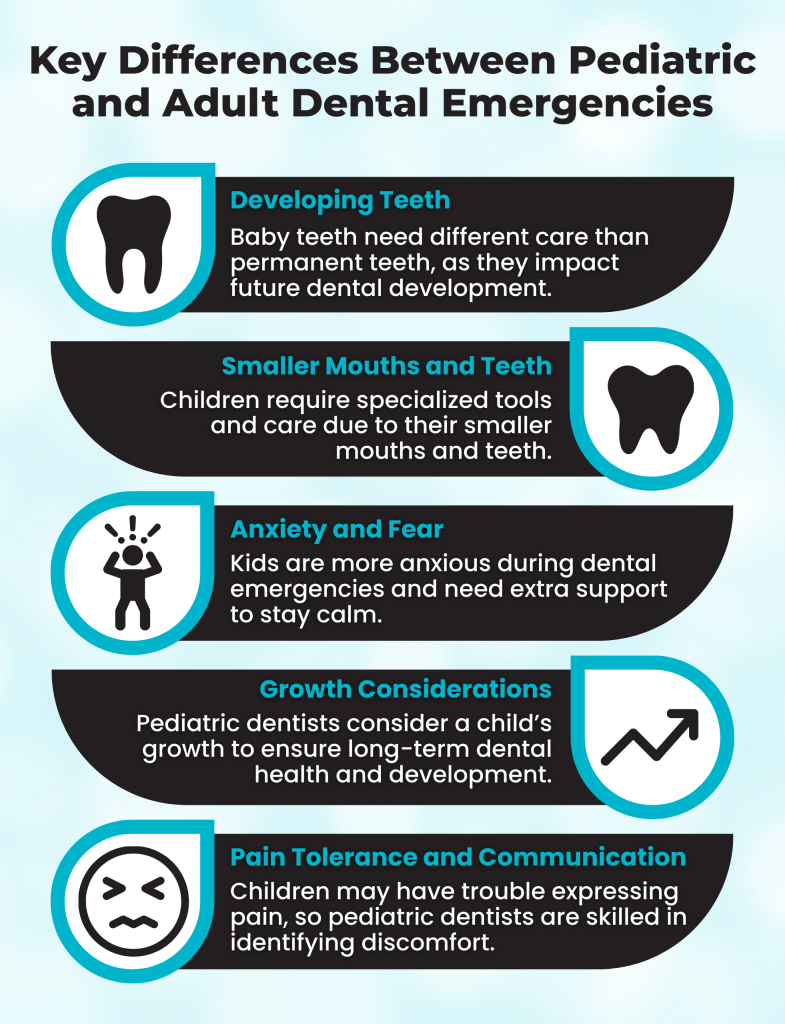
Not every dental problem needs immediate attention, but some absolutely do. Here’s how to tell the difference:
TRUE DENTAL EMERGENCIES (Call us immediately):
Severe, unrelenting pain – If over-the-counter pain meds aren’t touching it and you can’t function, that’s an emergency. Pain that wakes you up at night or prevents you from eating definitely qualifies.
Knocked-out tooth – You’ve got about 30-60 minutes to save a knocked-out permanent tooth. The faster you get here, the better chance we have of re-implanting it successfully. According to the American Association of Endodontists, teeth replanted within 30 minutes have the highest survival rate.
Abscess or severe swelling – A dental abscess is an infection that can spread to your jaw, neck, and even brain if left untreated. If you’ve got swelling in your face, fever, or a painful bump on your gums, that’s an emergency. Don’t wait.
Uncontrolled bleeding – Bleeding that doesn’t stop after 10-15 minutes of pressure needs immediate attention. This could be from an injury, extraction site, or gum disease.
Broken or fractured tooth with exposed nerve – If a tooth breaks and you can see pink tissue inside or the pain is excruciating when air hits it, the nerve is probably exposed. That needs treatment now.
Facial trauma affecting teeth – Sports injuries, car accidents, falls – any trauma to your face that damages teeth or jaw needs emergency care.
Lost crown or filling causing severe pain – Sometimes a lost filling repair is just annoying. But if it’s causing intense pain because the inner tooth is exposed, that’s an emergency.
CAN WAIT (But schedule soon):
Small chip with no pain – If you chipped a tooth but it’s not hurting and there’s no sharp edge cutting your tongue, you can schedule a regular appointment.
Lost crown or filling without pain – Still needs fixing, but if it’s not hurting, it can wait a day or two.
Dull toothache that comes and goes – Probably a cavity forming. Get it checked out this week, but not an immediate emergency.
Food stuck between teeth – Try floss first. If that doesn’t work, call us, but it’s not typically urgent unless it’s causing severe pain.
Broken denture or retainer – Annoying but not a medical emergency. We can usually fix these same-day or next-day.
When in doubt, call or text us at (410) 987-1600. We’ll help you figure out if you need to come in right away or if it can wait.
Emergency Dental Services We Provide
We handle the full range of dental emergencies at Smile Rx. Here’s what we can do for you:
Severe Toothache Relief
Toothaches have different causes – cavities, infections, cracked teeth, gum disease. We diagnose the source of your pain using digital x-rays and visual examination, then treat it appropriately. Sometimes that’s a filling, sometimes a root canal, sometimes an extraction. Whatever it takes to stop the pain.
Our Crofton patients always mention how gentle Dr. Khan is during emergency procedures. Even Google reviews talk about her painless approach. When you’re already hurting, the last thing you need is rough treatment that makes it worse.
Abscess and Infection Treatment
A dental abscess is a pocket of pus caused by bacterial infection. Left untreated, the infection can spread to your jaw bone, nearby teeth, and even into your bloodstream. We drain the abscess, clean the area, prescribe antibiotics if needed, and address the underlying cause – usually an infected tooth that needs a root canal treatment or extraction.
Signs you have an abscess: severe throbbing pain, swelling in your face or gums, fever, bad taste in your mouth, swollen lymph nodes, sensitivity to hot and cold. The CDC notes that untreated dental infections can lead to serious complications, including sepsis in severe cases.
Knocked-Out Tooth Re-Implantation
Time is critical with knocked-out teeth. If you can get to us within 30 minutes and the tooth is handled properly, we’ve got a good chance of saving it. We’ll clean the socket, reposition the tooth, and splint it to neighboring teeth while it heals. Not every knocked-out tooth can be saved, but acting fast gives you the best shot.
Broken, Chipped, or Cracked Teeth
How we fix a broken tooth depends on how severe the damage is. Small chips get dental bonding to reshape the tooth in one visit. Larger breaks may need a crown to protect what’s left. Cracks depend on depth – might need a crown, root canal, or extraction. Fractures exposing the nerve definitely need a root canal treatment or extraction.
We use tooth-colored composite materials for repairs – no metal, no mercury. Even in emergency situations, we stick to our holistic approach with BPA-free, biocompatible materials.
Lost Fillings and Crowns
A lost filling repair exposes the inner tooth structure, which is sensitive and vulnerable to further damage. We can usually replace a crown the same day if it’s still intact. For lost fillings, we’ll clean out any decay and place a new filling – composite, not amalgam. If a crown can’t be reused, we’ll place a temporary crown and order a permanent one.
Emergency Extractions
Sometimes a tooth can’t be saved – it’s too damaged, too infected, or causing problems that can’t be fixed. We perform emergency tooth extractions when necessary, using local anesthetic and a gentle technique to minimize discomfort. After an extraction, we’ll discuss replacement options like implants, bridges, or partial dentures.
Emergency Root Canals
Root canals have a bad reputation, but they’re actually pain relief procedures, not pain-causing ones. If the nerve inside your tooth is infected or inflamed, a root canal treatment removes that infected tissue, cleans out the tooth, and seals it. Modern root canals aren’t the nightmare people imagine. With proper anesthetic and Dr. Khan’s gentle approach, most patients report feeling pressure but no pain during the procedure.
Soft Tissue Injuries
Cuts to your lips, gums, tongue, or cheeks need attention, especially if they’re deep or won’t stop bleeding. We’ll clean the wound, stop the bleeding, and stitch it if necessary.
Broken Braces and Orthodontic Emergencies
Poking wires, loose brackets, broken appliances – orthodontic emergencies are painful and can damage your cheeks or gums. We can trim wires, reattach brackets, or provide temporary fixes until you can see your orthodontist.
Objects Stuck Between Teeth
Food or objects wedged between teeth can be impossible to remove with floss and can cause pain and swelling. We’ve got specialized tools to remove anything stuck without damaging your teeth or gums.
Jaw Injuries
Trauma to your jaw from accidents or sports can cause fractures, dislocations, or severe pain. While major jaw fractures need an oral surgeon or ER, we can assess the injury, take x-rays, and determine if you need specialist referral or if we can treat it here.
Emergency Dental Services We Provide
| Emergency Type | What We Do | Typical Treatment Time |
|---|---|---|
| Severe Toothache | Diagnose cause, provide relief (filling, root canal, or extraction) | 45-90 minutes |
| Abscess/Infection | Drain abscess, prescribe antibiotics, treat underlying cause | 60-90 minutes |
| Knocked-Out Tooth | Re-implant and splint if done within 30-60 minutes | 45-60 minutes |
| Broken/Chipped Tooth | Bonding, crown, or extraction depending on severity | 30-90 minutes |
| Lost Crown | Re-cement or replace crown same day | 30-45 minutes |
| Lost Filling | Remove decay, place new composite filling | 30-60 minutes |
| Emergency Extraction | Remove damaged/infected tooth | 30-60 minutes |
| Emergency Root Canal | Remove infected nerve, clean and seal tooth | 60-90 minutes |
| Soft Tissue Injury | Clean wound, stop bleeding, stitch if needed | 30-45 minutes |
| Broken Braces/Wire | Trim wire, reattach bracket, temporary fix | 15-30 minutes |
How Fast Can You See Me?
If you call or text (410) 987-1600 with a dental emergency during our office hours, we’ll get you in the same day – often within an hour or two. We don’t make you wait days when you’re in pain.
From the moment you walk in to the moment you leave feeling relief usually takes about an hour, depending on what’s needed. Simple fixes like replacing a crown might be 30 minutes. More complex work like a root canal treatment might be 90 minutes. But we work efficiently without rushing – your comfort and proper treatment are the priorities.
We’re closed weekends, but if you have an emergency on Saturday or Sunday, leave a message and we’ll get back to you first thing Monday morning. For true life-threatening emergencies – like uncontrolled bleeding, severe facial trauma, or breathing difficulty – go to the ER immediately.
The Gentle, Painless Approach
Dental emergencies are scary and painful enough without rough treatment making it worse. Dr. Khan is known for her gentle, painless technique – it’s something patients mention constantly in Google reviews.
She uses plenty of anesthetic and waits for it to fully work before starting any procedure. She explains what she’s doing at each step so you’re not surprised. She works efficiently but never rushes. And she checks in frequently to make sure you’re comfortable.
Even in emergency situations where we need to work quickly, we don’t compromise on gentleness. You’re already stressed and hurting. Our job is to fix the problem without adding to your distress.
We also use modern technology that makes treatment more comfortable:
• Digital x-rays for fast, accurate diagnosis with minimal radiation
• Topical numbing gel before injections so you barely feel the needle
• Composite materials that bond gently without the pressure of old amalgam fillings
• Quiet, modern equipment that’s less intimidating
Holistic Emergency Dentistry
Even in emergencies, we maintain our holistic approach. That means:
No mercury amalgam fillings – We use tooth-colored composite that’s BPA-free and biocompatible
No unnecessary procedures – We fix what needs fixing, nothing more
Whole-body health focus – We consider how dental infections and procedures affect your overall health
Natural pain management options – In addition to traditional anesthetics, we can discuss natural anti-inflammatory approaches for after-care
Safe material choices – All crowns, fillings, and other materials are chosen for safety and biocompatibility
Your health matters even when we’re addressing an emergency. We won’t use materials or techniques that could harm you just because it’s faster or cheaper.
Cost of Emergency Dental Care
Emergency dental visits vary in cost depending on what’s needed:
Typical Emergency Costs in Millersville
| Service | Estimated Cost Range |
|---|---|
| Emergency Exam | $75-150 |
| Emergency Extraction | $150-400 per tooth |
| Emergency Root Canal | $800-1,500 depending on tooth |
| Crown (after emergency) | $800-1,500 |
| Filling | $150-350 |
| Re-cementing Crown | $50-150 |
| Abscess Drainage | $100-300 |
| Soft Tissue Repair | $100-400 |
These are estimates – exact costs depend on complexity and what’s required. We’ll give you a clear price before starting treatment.
Insurance: We work with most insurance plans and will file claims for you so you don’t have to deal with paperwork. Emergency dental work is typically covered similarly to regular procedures – exams and x-rays often 100%, major work 50-80%.
No insurance? We accept walk-ins and offer payment plans through CareCredit and other financing options. Don’t avoid emergency care because of cost – infections and damage only get worse and more expensive if you wait.
Call us at (410) 987-1600 and we’ll discuss payment options before you come in.
Frequently Asked Questions About Emergency Dentistry
Can the emergency room help with severe tooth pain?
Hospital emergency rooms can provide pain medication and antibiotics for dental infections, but they typically don’t do dental procedures like tooth extractions or root canals. They’ll stabilize you if you have severe swelling or fever, but then they’ll tell you to see a dentist ASAP. ERs are great for life-threatening emergencies, but for actual dental treatment, you need a dentist. We can handle dental emergencies the same day without the ER wait and cost. If it’s a true medical emergency with breathing difficulty or uncontrolled bleeding, go to the ER first, then follow up with us.
How do I know if my dental problem needs immediate attention?
A dental emergency is any situation causing severe pain, uncontrolled bleeding, infection risk, or potential tooth loss that needs immediate treatment. This includes knocked-out teeth, severe toothaches that don’t respond to pain meds, abscesses with swelling, broken teeth with exposed nerves, facial trauma affecting teeth, and bleeding that won’t stop. Non-emergencies include small chips without pain, lost fillings that aren’t causing discomfort, or mild sensitivity. When in doubt, call us – we’ll help you determine if you need immediate care or if it can wait for a regular appointment.
Do emergency dentists perform tooth extractions?
Yes, we perform emergency tooth extractions when a tooth can’t be saved or is causing severe problems. If a tooth is badly broken, severely infected, or causing unbearable pain that can’t be fixed with other treatment, extraction might be the best option. We’ll always try to save a tooth first if possible, but sometimes extraction is the kindest and safest solution. The procedure is done with local anesthetic so you don’t feel pain, and we’ll discuss tooth replacement options afterward. Most emergency tooth extractions take 30-60 minutes and provide immediate relief.
What are my options for emergency dental care without insurance or cash?
Don’t let cost prevent you from getting emergency dental care – infections can become life-threatening. We work with CareCredit and other financing companies that offer payment plans, often with 0% interest for 6-12 months. Many dental insurance plans cover emergency treatment at least partially. Some community health centers offer sliding scale fees based on income. If you qualify for Medicaid, emergency dental services may be covered. Call us and explain your situation – we’ll work with you to find a solution. It’s always cheaper to treat a problem early than wait until it becomes a major emergency.
When should I stop waiting and see a dentist for tooth pain?
The 3-3-3 rule is a guideline that suggests if you have tooth pain that lasts longer than 3 days, keeps you awake for 3 nights, or requires 3 or more pain pills per day, you need to see a dentist immediately. This rule helps people recognize when a toothache has gone from minor annoyance to serious problem requiring professional care. Persistent pain that interferes with sleep or normal activities indicates infection or nerve damage that won’t heal on its own. Don’t wait for the pain to become unbearable – if your toothache meets any of these criteria, call us right away.
Can hospital emergency rooms extract infected teeth?
No, emergency rooms typically don’t pull teeth. ERs can prescribe antibiotics and pain medication for dental infections, but they don’t have dental equipment or dentists on staff to perform tooth extractions. If you have a severe infection with facial swelling or fever, the ER will treat the infection and tell you to see a dentist within 24-48 hours for definitive treatment. Coming to our office directly saves you the ER wait and co-pay. We can drain abscesses, prescribe antibiotics, and extract infected teeth all in one visit. If you have breathing difficulty or very severe swelling, go to the ER first, then follow up with us.
What should I expect to pay for emergency dental treatment?
Emergency dental costs vary based on what treatment you need. An emergency exam is typically $75-150. Simple fixes like re-cementing a crown cost $50-150. Fillings run $150-350. tooth extractions range from $150-400 per tooth. Emergency root canals cost $800-1,500 depending on which tooth. These are estimates for the Millersville area. We’ll give you an exact price before starting treatment. Most dental insurance covers emergency care similarly to regular visits – often 50-80% depending on your plan. We file insurance claims for you and offer payment plans through CareCredit if you need them.
How can I manage severe tooth pain until I can afford treatment?
While you’re figuring out payment options, you can manage pain temporarily with over-the-counter ibuprofen (works better than acetaminophen for tooth pain), cold compresses on your cheek, salt water rinses, and avoiding very hot or cold foods. However, these are temporary measures – tooth pain indicates a problem that needs professional treatment. The infection or decay won’t heal on its own and will only get worse and more expensive to fix. Call us and discuss payment options – we offer financing through CareCredit with payment plans that make treatment affordable. Many people qualify for 0% interest plans. Don’t let cost lead to losing a tooth that could’ve been saved.
What does emergency dental care cost if I don't have insurance?
Without insurance, an emergency dental visit typically costs $75-150 for the exam and x-rays, plus the cost of whatever treatment you need. A filling might be $150-350 total. An extraction $200-500. A root canal treatment $900-1,600. These costs are often comparable to or less than an ER visit, and you actually get your dental problem fixed rather than just pain meds. We offer financing through CareCredit and other options that let you spread payments over 6-24 months, often with 0% interest. We’ll give you a treatment estimate before starting work so there are no surprises.
Can I walk in for emergency dental care or do I need to call first?
Yes, we accept walk-ins for dental emergencies. However, calling or texting ahead at (410) 987-1600 is better because it lets us prepare for you and gives you an estimated wait time. If you just show up, we’ll work you in as quickly as possible, but there might be a short wait depending on what’s happening with other patients. For true emergencies like knocked-out teeth or uncontrolled bleeding, let us know when you call and we’ll make sure someone’s ready for you immediately. We see emergency patients same-day during our regular office hours.
Should I extract my tooth or try to save it - which costs less?
Sometimes, but not always. A simple extraction might cost $150-400, while a root canal treatment and crown to save the tooth costs $1,600-3,000. However, replacing an extracted tooth with an implant costs $3,000-5,000, or a bridge costs $2,000-4,000. So saving the tooth is often cheaper long-term than extracting and replacing it. Plus, your natural tooth is always better than any replacement. We’ll discuss all options and costs before you decide. Sometimes extraction is the right choice medically or financially, but make that decision with full information, not just based on immediate cost.
What's the basic dental care routine to prevent emergencies?
The 2-2-2 rule is a dental health guideline: brush 2 times per day, for 2 minutes each time, and see your dentist 2 times per year. Following this rule prevents most dental emergencies by catching problems early when they’re small and easy to fix. Regular checkups every 6 months let us spot cavities, gum disease, and other issues before they cause pain or infection. Brushing twice daily keeps bacteria from building up and causing decay. While this rule is great for prevention, if you already have an emergency, don’t wait for your next scheduled checkup – call us immediately.
Should I go to urgent care or a dentist for a dental emergency?
Urgent care clinics can prescribe antibiotics for dental infections and pain medication for toothaches, but they can’t do dental procedures. They’ll examine you, possibly take an x-ray, and refer you to a dentist for treatment. Going to urgent care for dental problems adds an extra step and extra cost without actually fixing the problem. You’re better off calling us directly – we can see you same-day for emergencies and actually treat the dental issue, not just prescribe temporary relief. Save urgent care for non-dental medical emergencies and come straight to us for tooth problems.
Can you extract an infected tooth during an emergency visit?
Yes, if extraction is the best treatment option for an infected tooth, we can do it the same day you come in. We’ll numb the area thoroughly, extract the tooth, clean the infection, and prescribe antibiotics if needed. You’ll leave with the problem tooth gone and the pain relieved. Sometimes we recommend a few days of antibiotics before extraction if the infection is very severe, but most infected teeth can be safely extracted immediately. We’ll examine the tooth, discuss your options (extraction vs. root canal), and proceed with treatment the same visit if you choose extraction.
Which dental problems require immediate same-day treatment?
True dental emergencies need immediate same-day treatment to save teeth, stop severe pain, or prevent serious complications. This includes: knocked-out permanent teeth (30-minute window to save them), severe toothaches unrelieved by medication, abscesses with facial swelling or fever, uncontrolled bleeding, broken teeth with exposed nerves, and facial trauma affecting teeth or jaw. Lesser emergencies can wait a day or two: small chips without pain, lost crowns that aren’t hurting, minor food stuck between teeth. When in doubt, call us – we’d rather check you out and find it’s minor than have you wait with something serious.
Can a severely painful tooth be extracted right away?
We’ll evaluate why the tooth hurts before deciding if extraction is necessary. Sometimes severe pain is from an infection that can be treated with a root canal, saving the tooth. Sometimes it’s a crack that needs a crown. But if the tooth is too damaged to save, has severe infection, or the pain can’t be managed any other way, yes, we’ll extract it. We numb the area completely, so the extraction itself doesn’t hurt – you’ll feel pressure but no pain. Most patients feel immediate relief after an infected or badly damaged tooth is removed. We always try to save teeth first, but extraction is sometimes the kindest solution.
How should I handle a dental emergency before getting to the dentist?
For toothaches, rinse with warm salt water and take ibuprofen for pain. For knocked-out teeth, handle by the crown only, rinse gently if dirty, try to reinsert in the socket or keep in milk, and get here within 30 minutes. For broken teeth, save any pieces, rinse mouth with warm water, apply gauze to bleeding areas, and use cold compress for swelling. For lost crowns, keep the crown and don’t use super glue. For abscesses, rinse with salt water and take ibuprofen, but get to us ASAP. Call or text (410) 987-1600 as soon as possible so we can prepare for your arrival.
Dental Emergency? We're Here to Help.
Same-day emergency appointments available. Walk-ins accepted. From the moment you arrive to the moment you leave relieved typically takes about an hour. We accept most insurance and offer payment plans.