
Orthodontics in Millersville, MD

When Marcus from Odenton got tired of hiding his crooked teeth in photos, he thought his only option was metal braces. He’s 32, works in sales, and the idea of walking into client meetings looking like a teenager didn’t sit right. Then he found out about 3D Predict clear aligners, and everything changed.
Here’s what most people don’t know about orthodontics in Millersville. It’s not just for kids anymore. Yeah, we see plenty of teenagers getting braces before prom, but half our orthodontic patients are adults who’ve been putting it off for years. And with modern options like 3D Predict aligners, you don’t have to look like your wearing train tracks on your teeth.
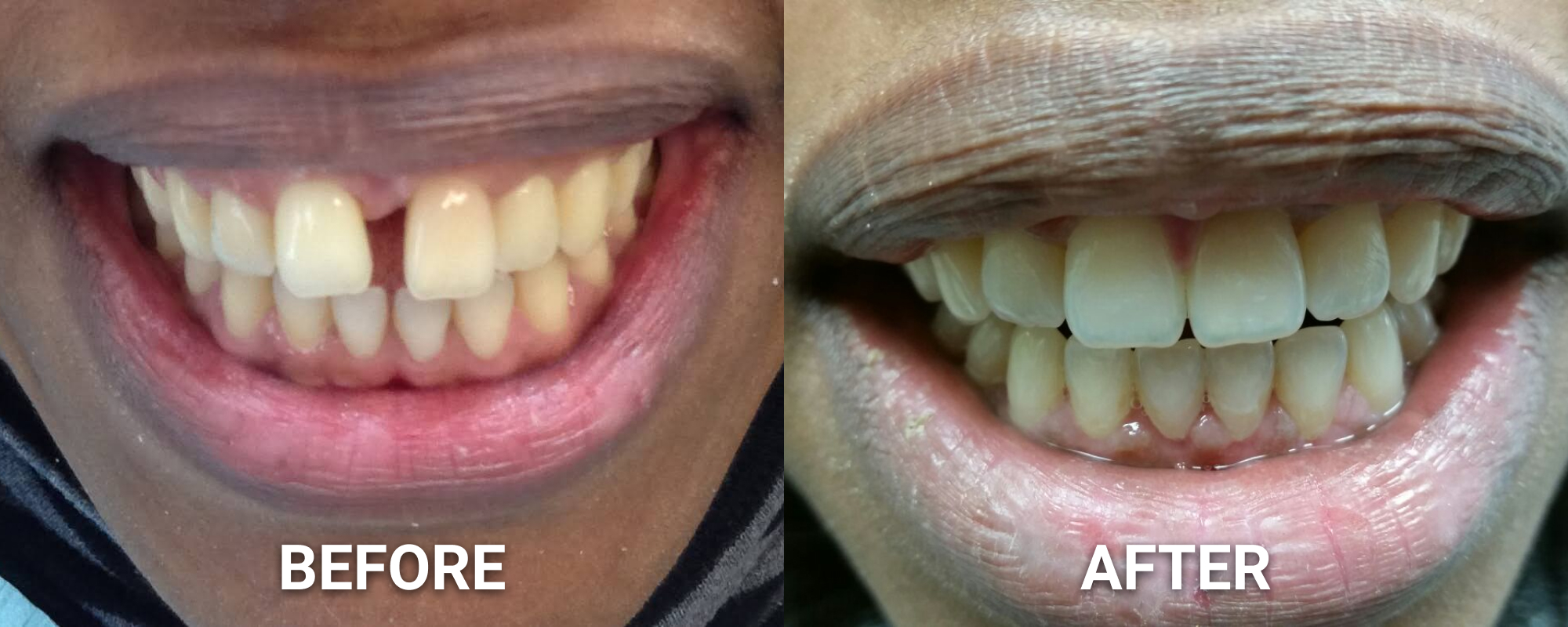
Why 3D Predict Clear Aligners Are Different

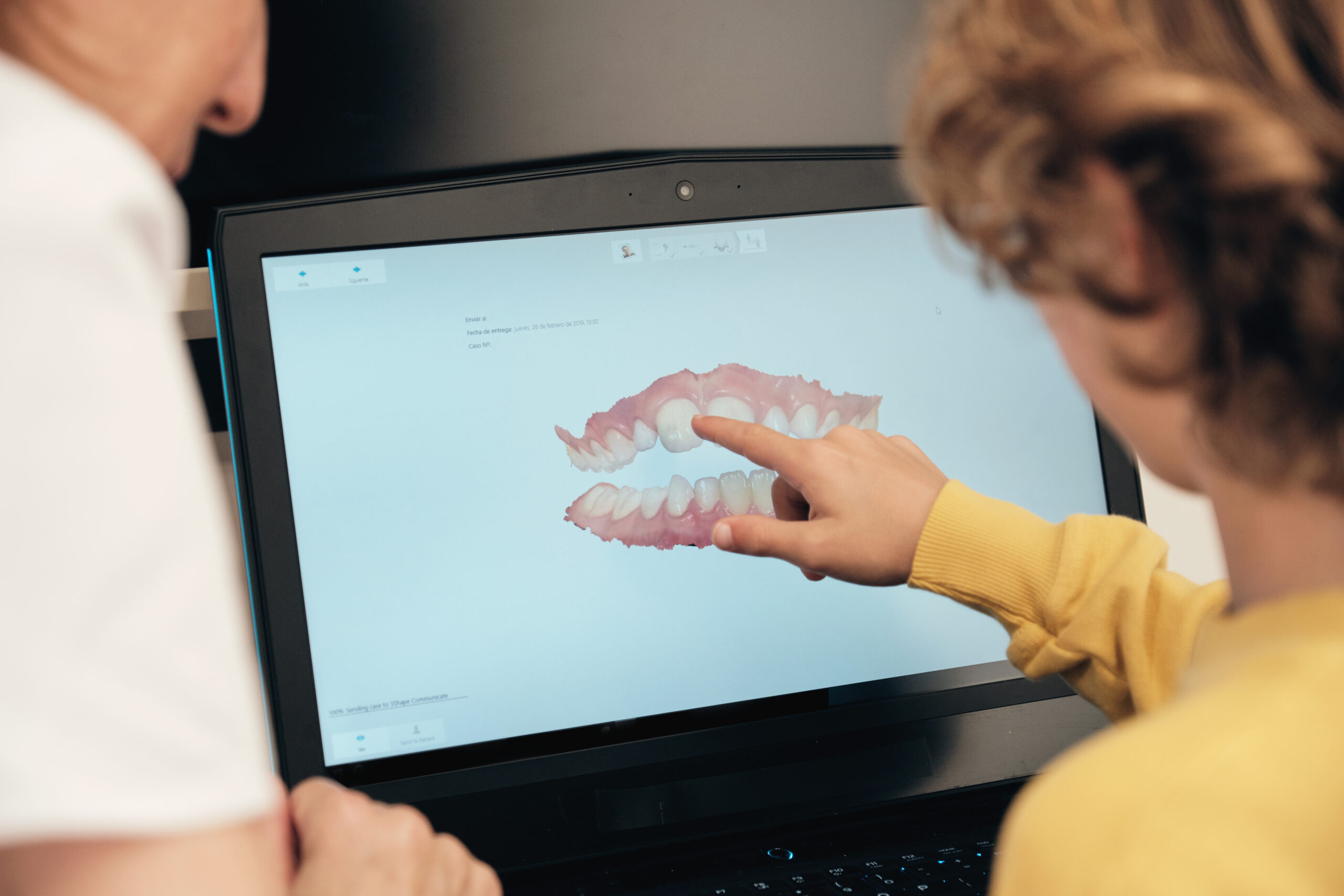
Most dental offices use Invisalign. We use 3D Predict, and there’s a reason for that. 3D Predict uses the latest AI technology to map your tooth movement with crazy accuracy. The system predicts exactly how your teeth will shift at each stage, which means fewer adjustments, less time in treatment, and better results.
Think of it like GPS for your teeth. Instead of just knowing where you want to go, 3D Predict knows the exact route to get there and can adjust in real-time if something’s not tracking right. According to research published in the American Journal of Orthodontics and Dentofacial Orthopedics, AI-driven orthodontic systems show 25-30% more accurate tooth movement predictions compared to traditional aligner systems.
The aligners are clear, removable, and way more comfortable than metal braces. You take them out to eat, brush your teeth like normal, and nobody at work knows your straightening your smile unless you tell them. Our Gambrills patients love that they can eat whatever they want – no restrictions like with braces.
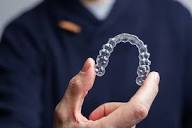
3D Predict vs Traditional Braces Comparison
| Factor | 3D Predict clear aligners | Traditional Metal Braces |
|---|---|---|
| Visibility | Nearly invisible | Very noticeable |
| Comfort | Smooth plastic, no sharp edges | Metal brackets can irritate |
| Removability | Take out for eating/cleaning | Permanent until treatment ends |
| Food restrictions | None – remove to eat | Avoid sticky, hard foods |
| Treatment time | 6-18 months average | 18-36 months average |
| Office visits | Every 8-10 weeks | Every 4-6 weeks |
| Oral hygiene | Easy – brush and floss normally | Difficult – special tools needed |
| Best for | Mild to moderate alignment issues | All types of alignment issues |
Traditional Braces – Still The Gold Standard

Don’t get us wrong – braces still work amazing. For severe crowding, major bite issues, or complex tooth movements, traditional braces are still the best option. They give us more control over tooth position than any aligner system can.
Sarah from Crofton brought her 13-year-old daughter in last year. Her teeth were so crowded, a few were growing behind others. Clear aligners couldn’t handle that level of correction. Six months into braces treatment, and the difference is incredible. Her daughter actually likes showing off her braces now – she picks different color bands at each appointment.
Modern braces aren’t like the old-school ones from 20 years ago. The brackets are smaller, more comfortable, and way less noticeable. We use high-tech wires that apply gentler, more consistent pressure, which means less pain and faster results.
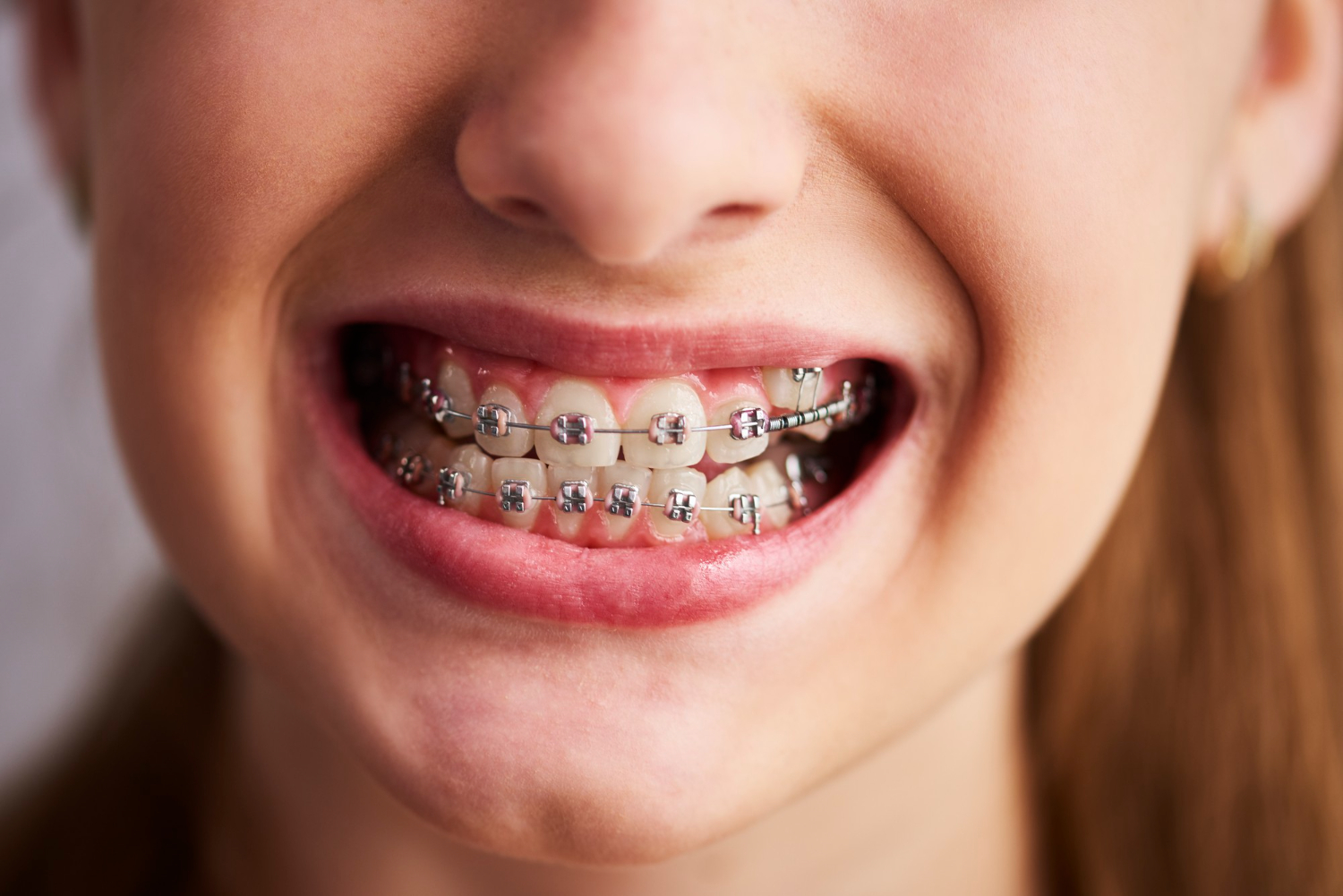
Here’s what happens: we bond small brackets to each tooth, run a wire through them, and use that wire to gradually move your teeth into position. Every 4-6 weeks, you come in and we adjust the wire, tighten things up, and keep the progress going. The whole process usually takes 18-24 months for most cases.
Pain-wise? The first few days after getting braces or after adjustments, your teeth will be sore. It’s not terrible – more like a dull ache. Most people just stick with soft foods for a day or two and they’re fine. Over-the-counter pain relievers help if you need them.
Braces Treatment Timeline
| Stage | Timeline | What Happens |
|---|---|---|
| Initial Consultation | Week 1 | Exam, x-rays, photos, treatment planning |
| Spacers (if needed) | Week 2 | Small rubber bands create space for bands |
| Braces Placement | Week 3-4 | Brackets bonded, wire placed – takes 1-2 hours |
| Adjustment Visits | Every 4-6 weeks | Wire changed/tightened, progress checked |
| Active Treatment | 12-24 months | Teeth gradually move into position |
| Braces Removal | Final appointment | Brackets removed, teeth cleaned, retainer made |
| Retention Phase | Ongoing | Wear retainer to maintain results |
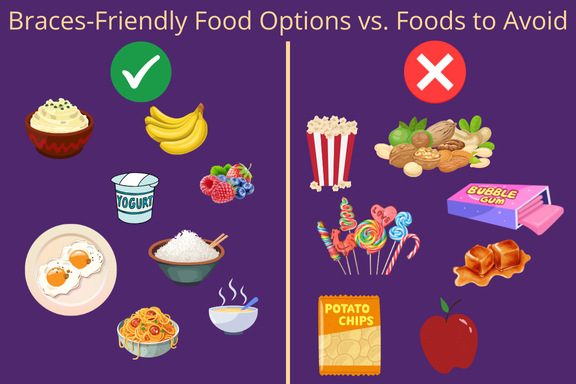
Food restrictions with braces are real but not as bad as people think. Avoid really sticky stuff like caramel, hard stuff like ice or nuts, and chewy stuff like bagels or taffy. But you can still eat pizza, pasta, chicken, basically normal food. Just cut things into smaller pieces and chew carefully. According to the American Association of Orthodontists, most broken brackets happen from patients biting directly into hard foods like apples or carrots instead of cutting them first.
Orthodontic Appliances and Expanders
Sometimes before we can straighten teeth, we gotta make room. That’s where expanders come in. If your jaw is too narrow or your teeth are crowded because there’s literally not enough space, an expander can fix that.
expanders are mostly for kids and teens whose jaws are still growing. We had a 10-year-old from Pasadena whose permanent teeth had no room to come in. An expander widened her upper jaw over about 6 months, and boom – plenty of space for everything. Saved her from needing to pull permanent teeth down the road.
The device sits in the roof of your mouth and gradually pushes the two halves of your upper jaw apart. Sounds scary but it’s really not. You turn a little key once a day, barely takes 10 seconds. Kids get used to it quick. There’s some pressure and maybe a little gap between front teeth temporarily, but it closes up once treatment is done.
Common Orthodontic Appliances
| Appliance Type | Purpose | Typical Duration | Age Group |
|---|---|---|---|
| Palatal Expander | Widen upper jaw | 3-6 months | Kids/Teens |
| Space Maintainers | Hold space after early tooth loss | Until permanent tooth erupts | Kids |
| Headgear | Correct severe overbite/underbite | Worn 10-14 hours daily for 12-18 months | Kids/Teens |
| Herbst Appliance | Move lower jaw forward | 12-18 months | Teens |
| Retainers | Maintain tooth position after treatment | Lifelong (nights only after initial period) | All ages |
Retainers – The Most Important Part Nobody Talks About

Here’s the harsh truth about orthodontics: if you don’t wear your retainer, your teeth WILL shift back. Not might. Will. We’ve had patients spend two years in braces, get beautiful straight teeth, then stop wearing their retainer after a few months. A year later they’re back saying their teeth moved.
Your teeth want to go back to where they were. It’s called relapse, and it happens to everyone if they don’t retain. The National Center for Biotechnology Information published studies showing that up to 70% of patients experience some degree of relapse within 10 years if they don’t consistently wear retainers.
Right after braces or aligners come off, you wear your retainer basically all the time – except when eating. After a few months, we usually transition to nights only. Some people can eventually go to a few nights a week. But honestly? Most orthodontists now recommend wearing retainers at night forever if you want to keep your results.
There’s two main types: wire retainers (those metal wire things with pink plastic that fits the roof of your mouth) and clear retainers (look like thin aligners). Wire ones are more durable. Clear ones are less noticeable but need replacing more often. We usually do wire on top, clear on bottom, but it varies.
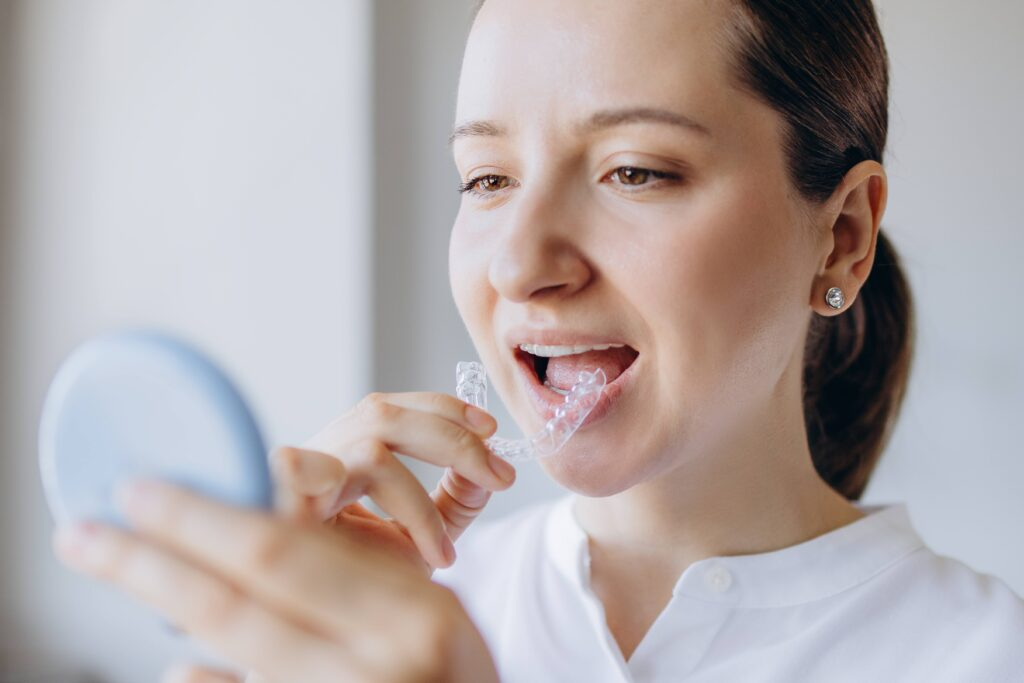
Cost for replacement retainers runs about $200-300 per arch. Way cheaper than redoing orthodontic treatment because you didn’t wear the first retainer. Our Severna Park patients learn this quick – we emphasize retainer wear from day one.
Who Needs Orthodontic Treatment?
Obvious stuff: crooked teeth, big gaps, overbite where top teeth stick way out, underbite where bottom teeth come forward. But orthodontics fixes more than just looks.
Bite problems can cause headaches, jaw pain, uneven tooth wear, and trouble chewing. We had a guy from Annapolis with a severe overbite who was getting migraines three times a week. Six months into treatment, migraines basically stopped. His dentist had been telling him for years the headaches were related to his bite, but he didn’t believe it until they went away.
Kids should get evaluated around age 7 according to the American Association of Orthodontists. Doesn’t mean they need treatment at 7, but we can spot problems early. Some stuff is way easier to fix while they’re still growing. Crossbites, severe crowding, jaw growth issues – catching these early can prevent surgery later.
Teens are the classic orthodontic patients. Their permanent teeth are in, jaws are still growing, and they’re motivated to look good for school and social stuff. Treatment moves faster in teens than adults because their bones are still adaptable.
Adults? Absolutely can get orthodontic treatment. We see adults all the time. The bone remodeling process is slower than in teenagers, so treatment might take a bit longer, but results are just as good. Plus adults are usually more compliant – they wear their aligners, don’t skip appointments, follow instructions. That actually makes treatment smoother sometimes.
The Holistic Approach to Orthodontics
At Smile Rx, we take a holistic approach to everything, including orthodontics. That means we’re thinking about your whole body health, not just straight teeth.
Traditional orthodontics uses a lot of metal – stainless steel brackets, nickel-containing wires, metal bands. Some people have sensitivities or just don’t want that much metal in their mouth long-term. We get it. We offer ceramic brackets that are tooth-colored and metal-free for patients who want that option.
For aligners, we use BPA-free materials. No weird chemicals leaching into your mouth. The 3D Predict aligners are made from medical-grade plastic that’s been tested for biocompatibility. Same with our retainers – we can do clear retainers instead of the traditional metal wire ones if you prefer.
We also look at how orthodontic treatment affects things like breathing, TMJ issues, and overall facial development. Narrow jaws can contribute to sleep apnea and breathing problems. Expanding the upper jaw isn’t just about making room for teeth – it can actually improve nasal breathing. Research from the Journal of Clinical Sleep Medicine shows that palatal expansion in children can reduce sleep-disordered breathing symptoms significantly.
If your considering orthodontics and you’ve got concerns about materials, TMJ problems, headaches, or breathing issues, bring it up during your consultation. We’ll factor all that into your treatment plan.
What Does Orthodontic Treatment Cost?
Nobody wants to talk about money, but let’s be real – orthodontics is an investment. In Maryland, you’re looking at:
Traditional braces: $4,000 – $7,000 depending on complexity
3D Predict clear aligners: $3,500 – $6,500 depending on case
Retainers: $200 – $400 per set
expanders and appliances: $1,500 – $3,000
That’s average. Simple cases cost less, complex cases cost more. We give you an exact quote after the consultation once we know what your dealing with.
Orthodontic Treatment Costs in Millersville
| Treatment Type | Price Range | Payment Options | Insurance Coverage |
|---|---|---|---|
| Metal Braces | $4,000 – $7,000 | Monthly payment plans available | Often 50% up to lifetime max |
| Ceramic Braces | $4,500 – $8,000 | Monthly payment plans available | Often 50% up to lifetime max |
| 3D Predict Aligners | $3,500 – $6,500 | Monthly payment plans available | Varies – some plans cover like braces |
| Palatal Expander | $1,500 – $3,000 | Payment plans available | Sometimes covered if medically necessary |
| Retainers (per arch) | $200 – $400 | Usually paid upfront | Rarely covered after initial set |
Insurance usually covers orthodontics if you’ve got it in your plan. Most dental insurance covers 50% of orthodontic treatment up to a lifetime maximum – often $1,500 or $2,000. Not a ton, but it helps. We handle all the insurance stuff for you and tell you upfront what your portion will be.
Don’t have insurance or your plan doesn’t cover orthodontics? We do payment plans. Most patients pay a down payment and then monthly installments over the course of treatment. Makes it way more manageable than dropping $6,000 all at once. We work with CareCredit and other financing options too.
Some employers offer FSA or HSA accounts where you can use pre-tax dollars for orthodontics. That’s basically a discount equal to your tax rate. Worth checking if your employer offers that.
Frequently Asked Questions About Orthodontics
What's the typical cost of braces in Maryland?
Braces in Maryland typically run between $4,000 and $7,000 for traditional metal braces. Ceramic braces that are tooth-colored cost a bit more, usually $4,500 to $8,000. The exact price depends on how complex your case is and how long treatment takes. Simple cases with minor crowding might be on the lower end. Severe bite problems or extraction cases cost more. Most offices offer payment plans so you don’t have to pay everything upfront. Insurance often covers 50% if you have orthodontic benefits, though there’s usually a lifetime maximum around $1,500-$2,000.
What's the difference between an orthodontist and orthodontics?
Orthodontics is the field of dentistry that deals with correcting teeth and jaw alignment. An orthodontist is a dentist who specializes in orthodontics. They go to dental school like all dentists, then do 2-3 extra years of specialized training just in orthodontics. General dentists can do orthodontic treatment too if they’ve got the training and experience. The American Dental Association recognizes orthodontics as one of nine dental specialties. So orthodontics is what you get done, orthodontist is the specialist who does it.
Are orthodontic consultations typically free?
Yeah, most orthodontic consultations are free. That’s pretty standard in the industry. The consultation includes an exam, usually x-rays and photos, and a discussion of treatment options and costs. It’s basically a chance for you to meet the dentist or orthodontist, see the office, and figure out what treatment would look like without committing to anything. Some places charge a small fee like $50-100 that gets applied to treatment if you move forward. But the majority offer completely free consultations with no obligation.
Does Maryland Medicaid pay for braces?
Maryland Medicaid does cover braces for kids and teens under 21, but only if it’s medically necessary. That means severe bite problems, significant functional issues, or major alignment problems – not just cosmetic improvements. There’s a specific process where the orthodontist has to submit documentation proving medical necessity. For adults on Medicaid, orthodontics usually isn’t covered unless it’s related to jaw surgery or severe medical issues. The Maryland Medicaid website has the specific criteria if you want to check eligibility.
Can you just walk in and get braces put on?
Nope, doesn’t work that way. You need a consultation first where we examine your teeth, take x-rays and photos, and create a treatment plan. Then we might need to do prep work – cleanings, fillings, extractions, or placing spacers. The actual braces appointment gets scheduled after all that’s done. From first consultation to braces on is usually 2-4 weeks. Some cases take longer if there’s prep work needed. We need to make sure your teeth and gums are healthy before starting orthodontics, and we need time to order your custom brackets and plan the treatment properly.
Is $7,000 expensive for braces?
$7,000 is on the higher end but not unreasonable for braces, especially for complex cases or if your getting ceramic braces instead of metal. The average in Maryland is $4,000-$7,000, so $7,000 would be for longer treatment, more complicated alignment issues, or premium options. If someone’s quoting way less, ask what’s included and how long they expect treatment to take. Cheap orthodontics that takes forever or doesn’t fix the problem right isn’t a bargain. That said, if $7,000 seems high, get a second opinion. Prices vary between offices and different orthodontists might have different treatment approaches that cost more or less.
Who can get free braces?
Free braces are rare but possible through a few routes. Maryland Medicaid covers braces for kids under 21 if medically necessary. Some nonprofits and dental schools offer free or low-cost orthodontics to qualifying low-income families. Smiles Change Lives is a nonprofit that helps kids from families earning less than $40,000-50,000 per year. Some orthodontists do pro-bono work for severe cases. Dental schools often offer discounted treatment where students do the work under supervision. Military families sometimes get coverage through TRICARE. But truly free braces are pretty limited to severe medical necessity cases or specific assistance programs.
What if I need braces but can't afford them?
You’ve got options. First, check if you qualify for Medicaid or any assistance programs. Dental schools do orthodontics at like 30-50% less than private practices. Payment plans through the orthodontist let you spread the cost over treatment time – usually no interest if you pay it off by the end. CareCredit and other healthcare financing companies offer longer payment terms. Some offices have in-house financing with low or no interest. HSA and FSA accounts let you use pre-tax money which saves you your tax rate. Start treatment with the most urgent stuff first and do the rest later. Get multiple consultations – prices vary alot between offices.
What's the cheapest way to get braces?
Dental schools are usually cheapest – often 30-60% less than private orthodontists. Students do the work under close supervision of licensed orthodontists, so quality is still good, it just takes longer because students work slower. Some orthodontists offer discounts if you pay in full upfront instead of payment plans. Metal braces are cheaper than ceramic or lingual braces. Treating just one arch (top or bottom) instead of both costs less if that’s an option for your case. Community health centers sometimes offer sliding scale fees based on income. Shop around – prices vary significantly between offices even in the same area.
What would prevent you from getting braces?
Severe gum disease is the big one – we gotta get that under control before orthodontics. Active tooth decay needs treating first. Not enough bone supporting your teeth makes moving them risky. Some medical conditions like uncontrolled diabetes or immune disorders can complicate treatment. Certain medications like bisphosphonates for osteoporosis can affect bone remodeling. Poor oral hygiene is a relative contraindication – if you can’t keep your teeth clean now, braces make it harder and you’ll end up with cavities and gum problems. Age isn’t usually a disqualifier as long as your teeth and gums are healthy. Lack of compliance – if you won’t wear rubber bands or follow instructions, treatment won’t work.
What age is ideal for getting braces?
There’s no single “best” age. The American Association of Orthodontists recommends kids get evaluated around age 7, but most don’t start treatment until 11-14 when all permanent teeth are in and they’re still growing. That age range is ideal because the jaw bones are still developing and teeth move faster. But plenty of adults get braces in their 20s, 30s, 40s, even older. Treatment takes a bit longer in adults since bone remodeling is slower, but results are just as good. The “best” age is whenever you’re ready to commit to treatment and your teeth and gums are healthy enough.
What foods should you avoid with braces?
Sticky stuff like caramel, taffy, gum – pulls brackets off. Hard stuff like ice, hard candy, nuts in shells, popcorn kernels – can break brackets. Chewy stuff like bagels, thick pizza crust, beef jerky – puts too much pressure on brackets. Crunchy stuff like chips, pretzels, hard cookies – can break wires. Whole apples and carrots are fine if you cut them up first instead of biting directly. Corn on the cob is out – cut the corn off first. Really sugary and acidic stuff like soda isn’t forbidden but increases cavity risk since braces make cleaning harder. You can still eat most normal foods, just be smart about it.
Which braces color makes teeth look whiter?
Darker colors like navy blue, dark purple, or black make teeth look whiter by contrast. Silver or gray blends with the brackets and doesn’t draw attention to tooth color. Clear or white bands actually make teeth look more yellow because they can stain and the contrast isn’t as strong. Bright colors like red, orange, or yellow can make teeth look more yellow too. If you want your teeth to appear whiter, go with darker colors. Or just stick with silver which is neutral and doesn’t affect how white your teeth look either way.
How quickly do teeth shift without braces?
Teeth can start shifting within weeks after braces come off if you don’t wear your retainer. Minor movement might happen in just a few days. Noticeable shifting usually takes a few months. The first year after braces is when teeth are most likely to move because the bone around them is still remodeling. After a year or two, shifting slows down but never stops completely. Even people who never had braces see their teeth shift over time as they age. That’s why retainers are supposed to be worn long-term – teeth always want to move, and only retainers prevent it. Studies show significant relapse occurs in 50-70% of patients within 10 years if they stop wearing retainers.
What are the five stages of braces treatment?
First stage is consultation and planning – exams, x-rays, impressions, creating your treatment plan. Second stage is preparation – any cleanings, fillings, or extractions needed before braces go on. Third stage is initial alignment – first 3-6 months where we get teeth into the right positions roughly. Fourth stage is bite correction – addressing how upper and lower teeth fit together using rubber bands or springs. Fifth stage is finishing and detailing – fine-tuning tooth positions to perfect everything before removal. Then there’s retention after braces come off, which some people consider a sixth stage. The whole process typically takes 18-24 months from start to finish for average cases.
Getting Started with Orthodontics in Millersville
Ready to fix that smile you’ve been thinking about? Start with a consultation. We’ll take x-rays, photos, do a full exam, and talk about what’s bothering you. Then we’ll go over your options – braces, aligners, appliances, whatever makes sense for your case.
We see patients from all over Anne Arundel County – Millersville, Odenton, Crofton, Pasadena, Annapolis, Gambrills, Crownsville, Glen Burnie, Severna Park. Kids, teens, adults – we treat all ages.
The consultation is free. No pressure, no obligation. Just information so you can make a smart decision about your treatment. Some people start right away, some think about it for six months. Both are fine. Your teeth aren’t going anywhere.
What stops most people is fear or thinking they’re too old. Fear-wise, orthodontics isn’t painful like people imagine. Uncomfortable for a few days here and there, but not painful. And you’re definitely not too old. We’ve done orthodontics on patients in there 60s. If your teeth and gums are healthy, age doesn’t matter.
People from Crofton, Odenton, Pasadena – they all say the same thing after treatment. “I wish I’d done this years ago.” Not one person has told us they regret straightening there teeth. Not one.
Your turn. Stop putting it off. Book that consultation. See what’s possible. Then decide if its right for you. At least you’ll know your options instead of just wondering.
Ready to Straighten Your Smile?
Start with a free consultation. We’ll discuss your goals, show you 3D Predict aligners and braces options, and give you a real treatment plan with real prices. No obligation. No pressure. Just information.